Structured cabling cable,
built to your part number.
CAT5E to CAT7 network cable, multi-pair and coaxial, patch cords, HDMI and power cords — we draw, extrude, test and label every one in one plant in Guangdong.
- 68part numbers
- 5cable families
- 9standards referenced
- 2005established
- UL758
- UL1581
- UL444
- TIA/EIA-568
- CSA C22.2
- ISO/IEC 11801
- YD/T1019-2001
- GY/T135-1998
- SJ/T11138-1997
Test reports and certificates are issued against the exact part number quoted — see the factory page for what each report covers.
Product families
Five families, one production line. Every item below is a part number with its own page and specification.
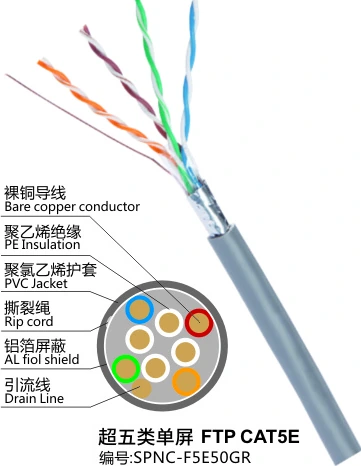
Network Cables
CAT5E to CAT7 copper network cables for structured cabling — unshielded, FTP, SFTP and outdoor constructions.
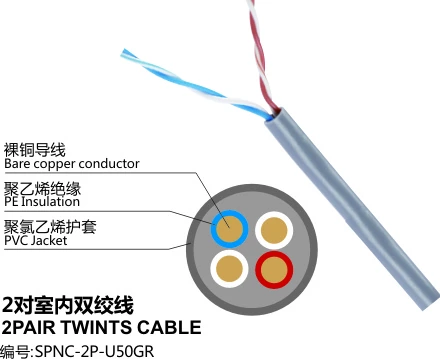
Multi-Pair & CCTV Cables
Multi-pair telephone riser cable, SYV coaxial CCTV cable and RVV/RVVP control cable.
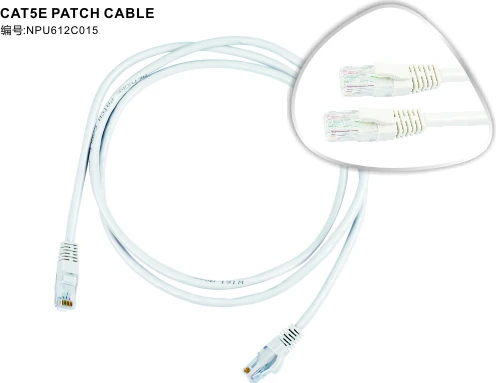
Patch Cords
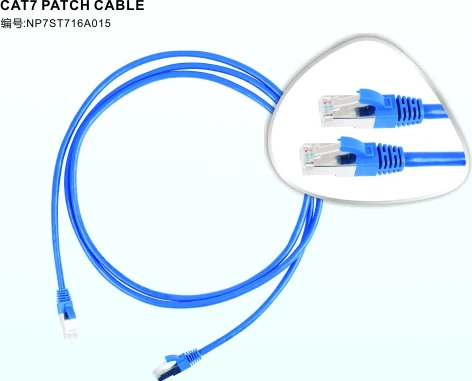
Factory-terminated LAN patch cords from CAT5E to CAT8, straight and LSZH.
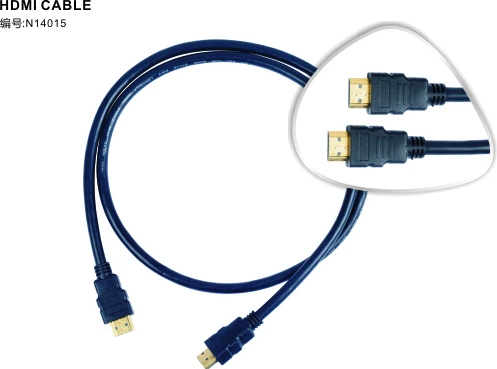
HDMI & Display Cables
HDMI and DisplayPort cables including fibre HDMI for long runs.
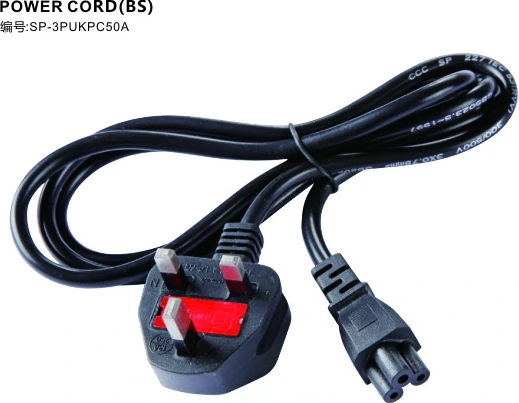
Power Cords
Moulded power cords and C13/C14 cordsets with UK, EU, US, AU, SA and IT plugs.
One plant, six steps, no sub-contracted core
We are a cable factory in Guangdong, not a trading desk: the copper is drawn, the insulation and jacket are extruded, the pairs are laid up and every construction is tested on our own bench. That is why a change of colour, print or reel length does not have to leave the building.
Drawing
Bare copper rod is drawn to the conductor diameter and annealed before it reaches a pair.
Extrusion
HDPE insulation goes on to a controlled wall — the wall is what holds impedance later in the test.
Lay-up and shield
Pairs are twisted at their lay lengths; foil, braid and the cross filler are applied on the same line.
Test and label
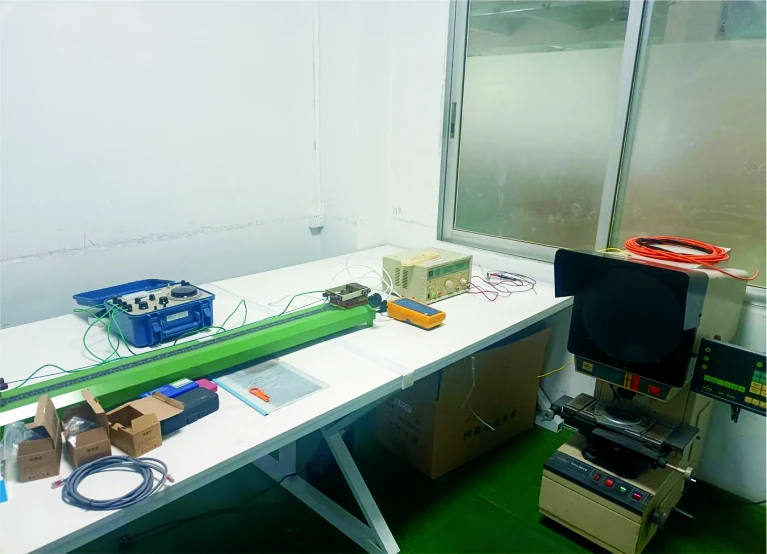
Conductor resistance, insulation resistance, capacitance and impedance are checked, then the reel is printed to your part number.
Every product page says which of these steps applies to that part number, and what we set per order rather than stock. See the full sequence
Popular part numbers
Starting points for distributors and integrators — each links to the full specification.
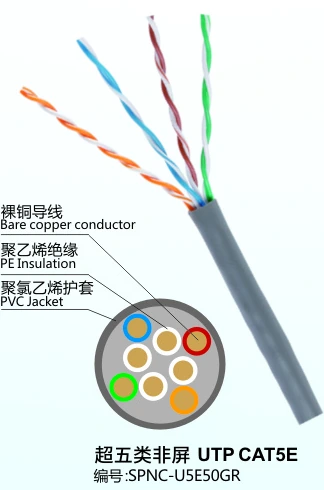
CAT5E UTP Network Cable
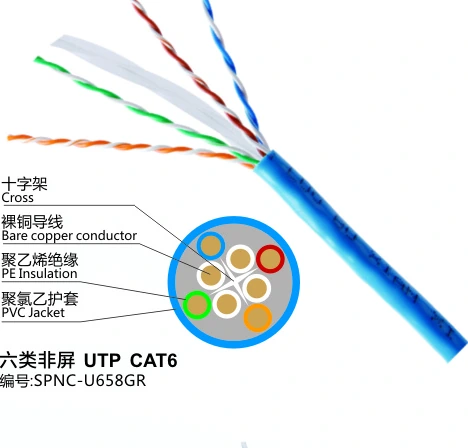
CAT6 UTP Network Cable (GR)
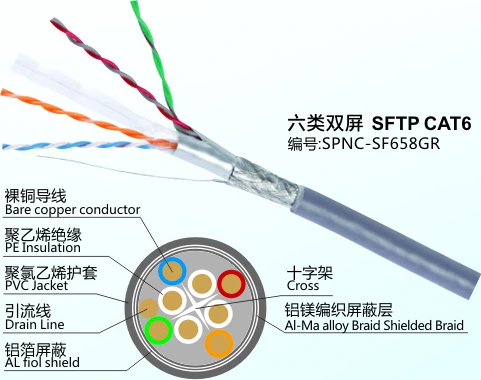
CAT6 SFTP Network Cable (GR)
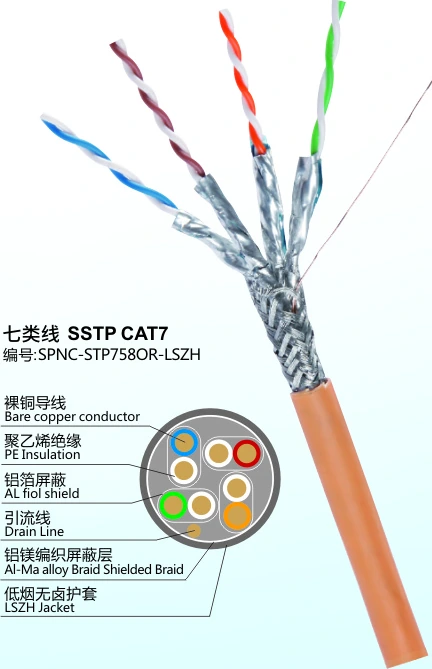
CAT7 SSTP Network Cable, LSZH
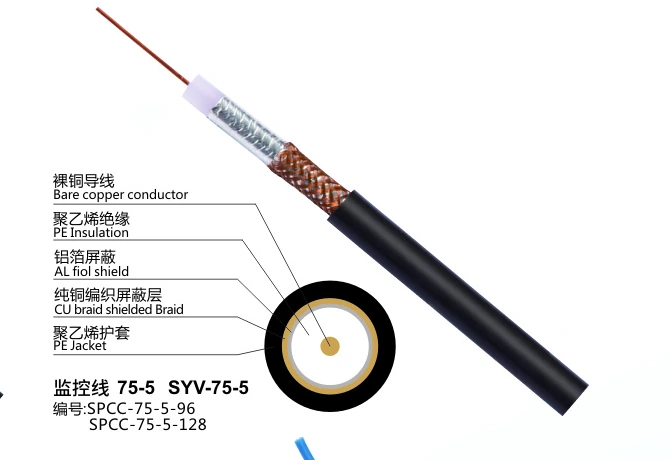
SYV-75-5 CCTV Coaxial Cable, 96-strand braid
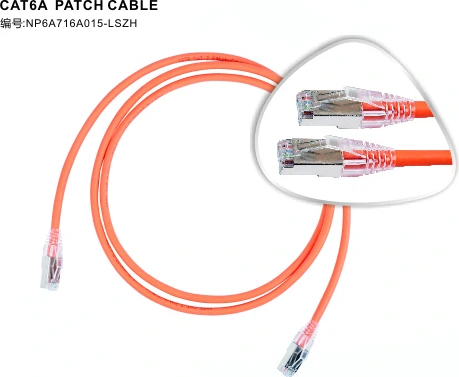
CAT6A Patch Cord, LSZH
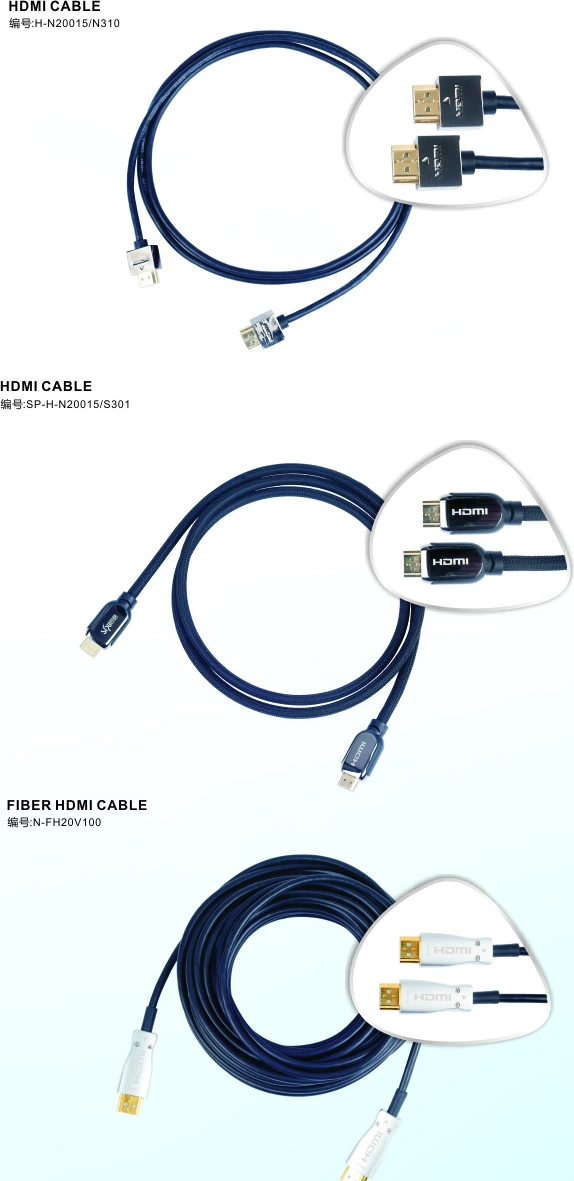
HDMI Cable H-N20015/N310
POWER CORD (BS) - UK plug
Extruding, cabling and testing on one site
Insulation and jacket are extruded where the pairs are laid up, so a change of colour, print or reel length does not leave the building. The plant address and line list are given to customers who ask — a visit says more than a page of numbers.
What you should be able to check
Three things worth asking any supplier for: the production sequence, the test limits, and the report behind the claim.
Six steps, copper to reel
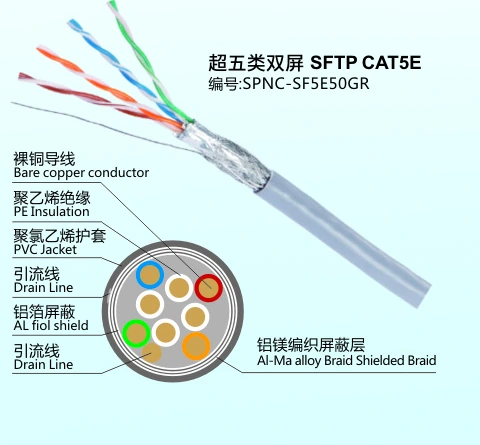
Drawing, insulation, pair lay-up, shielding, jacket, test — each step maps to a layer you can see in the cutaway on the factory page.
TestingLimits you can put in a PO
Impedance 100 ± 15 ohm, conductor resistance ≤ 9.38 ohm/100 m, insulation resistance ≥ 5000 MΩ·km — the same figures published on every product page.
DocumentationCertificates per part number
Test reports and certificates are issued against the exact part number you quote — not a generic company PDF.
Applications
Where each cable family is normally specified, and what to tell us when you ask for a quote.
Four things you can check, without trusting a brochure
A supplier can say anything on a web page. These four checks cost you nothing and settle the question faster than any claim we could print here.
Walk the line on video
Book a call at a time that suits you and we walk the extruder, the cabling line and the test bench with the camera — including the parts that are not tidy.
A sample with your print
Take a metre with your own jacket printing and colour. What you receive is run on the same line as the order, not a hand-made demo piece.
The report for your part number
Ask for the test report against the exact construction you are buying and read the limits, not the summary. If a value is missing, we say so instead of filling it in.
Your inspector, at loading
Third-party inspection at pre-shipment is welcome — reel counts, label check and packing photos before the container is sealed.
None of these need an NDA or a deposit. Ask for one of them — that is the whole point.
Send a specification, get a quotation
Part numbers, quantities and destination port are enough to start — we quote against the line that will run your cable, so the price matches the construction you actually order.
Knowledge base
Technical notes for the questions that come up in every cabling tender.
Channel or permanent link: how copper links are certified
Permanent link or channel, which limit set applies, and how to read a failing NEXT, return loss or insertion loss result before you replace any cable.
Patch cord length planning: sizing cords for a rack build
How to size patch cords for a rack build: the channel length budget, routed-path measurement, a working length ladder, bend radius, PoE and the cord order.
CAT5E, CAT6, CAT6A and CAT7: what actually changes between them
A practical comparison of CAT5E, CAT6, CAT6A, CAT7 and CAT8 network cable: data rate, bandwidth, construction differences, and how to choose for a project you are quoting.
UTP, FTP and SFTP: choosing shielding for the site, not for the datasheet
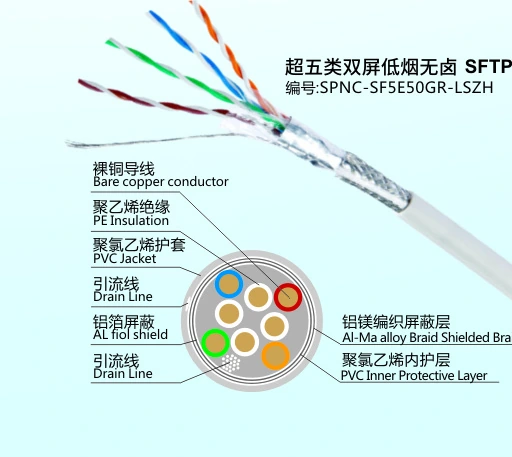
How UTP, FTP, SFTP and SSTP cable differ, when shielding helps, when it makes things worse, and what the installer has to do for a shield to work.
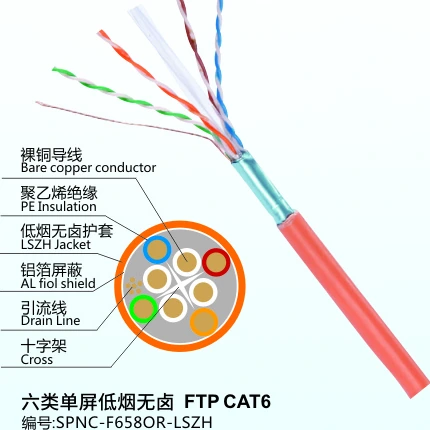
LSZH or PVC: when the jacket material changes the specification
What low smoke zero halogen cable is, how it differs from PVC in a fire, where building codes require it, and how to keep the part number consistent when you switch.
How to read a cable datasheet: the five numbers that decide a job
Impedance, conductor resistance, mutual capacitance, insulation resistance and the test standard — what each number means on a cable datasheet, and which ones you can put in a purchase order.
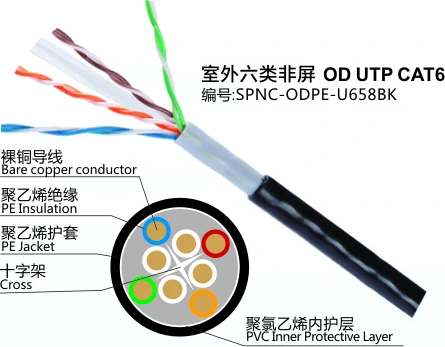
Outdoor network cable: what ODPE changes, and when it is the wrong choice
Why outdoor network cable uses a PE jacket, a water-blocking layer and a different part number, what ODPE means in a part number, and the installations where indoor cable is the better answer.