Knowledge base
The questions that come up in every cabling tender, answered from the specification side: what changes between categories, when shielding earns its cost, and when the jacket material decides the job.
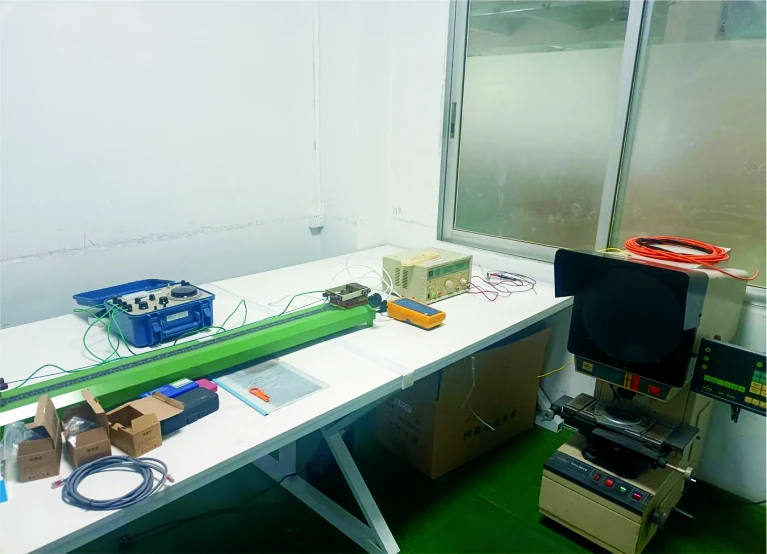
Channel or permanent link: how copper links are certified
Permanent link or channel, which limit set applies, and how to read a failing NEXT, return loss or insertion loss result before you replace any cable.
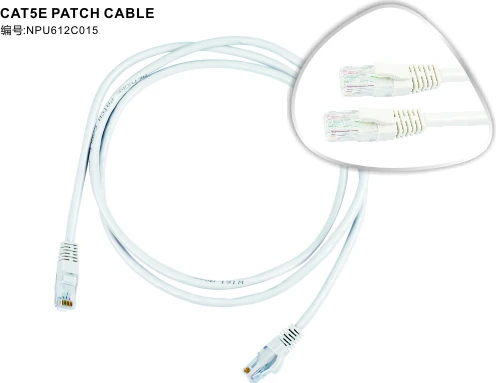
Patch cord length planning: sizing cords for a rack build
How to size patch cords for a rack build: the channel length budget, routed-path measurement, a working length ladder, bend radius, PoE and the cord order.
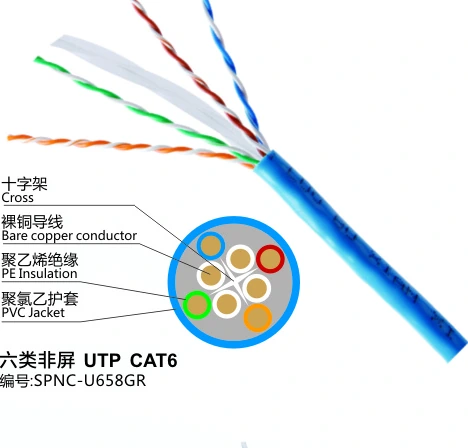
CAT5E, CAT6, CAT6A and CAT7: what actually changes between them
A practical comparison of CAT5E, CAT6, CAT6A, CAT7 and CAT8 network cable: data rate, bandwidth, construction differences, and how to choose for a project you are quoting.
How to read a cable datasheet: the five numbers that decide a job
Impedance, conductor resistance, mutual capacitance, insulation resistance and the test standard — what each number means on a cable datasheet, and which ones you can put in a purchase order.
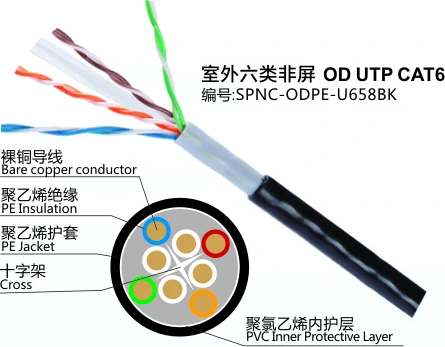
Outdoor network cable: what ODPE changes, and when it is the wrong choice
Why outdoor network cable uses a PE jacket, a water-blocking layer and a different part number, what ODPE means in a part number, and the installations where indoor cable is the better answer.
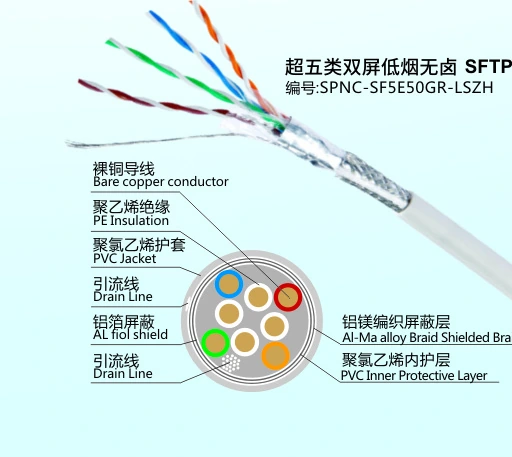
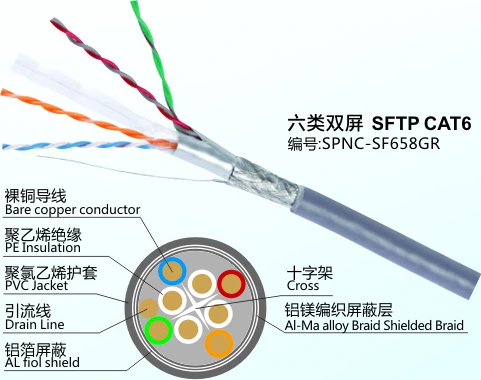
UTP, FTP and SFTP: choosing shielding for the site, not for the datasheet
How UTP, FTP, SFTP and SSTP cable differ, when shielding helps, when it makes things worse, and what the installer has to do for a shield to work.
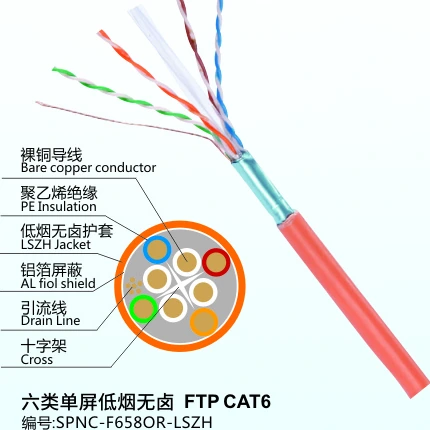
LSZH or PVC: when the jacket material changes the specification
What low smoke zero halogen cable is, how it differs from PVC in a fire, where building codes require it, and how to keep the part number consistent when you switch.