Data centre and rack builds
Inside the rack, the cable is the part you touch every time you make a change — so termination quality and consistent lengths matter more than the datasheet headline.
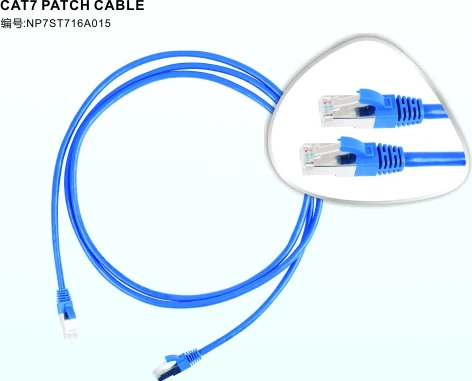
Patch cords are the weakest link, so buy them terminated
Field termination quality is the single biggest variable in a rack build. Factory-terminated cords remove that variable: every assembly is terminated and tested before packing, and the impedance and resistance limits in the specification apply to the finished cord rather than to the bulk cable it was made from.
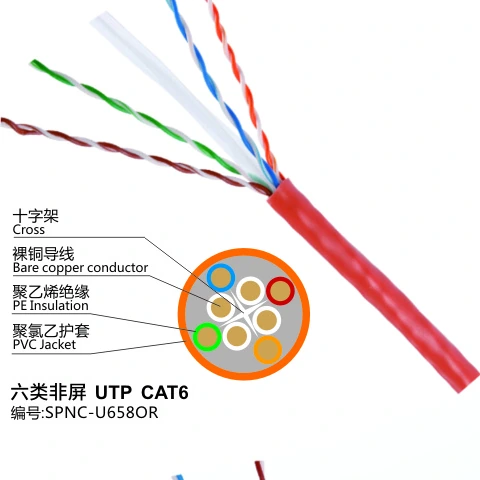
For a mixed estate, keep one cord family per category. Mixing CAT6 cords into a CAT6A channel caps the channel at CAT6, and the resulting test failures are usually blamed on the cable run rather than on the cord.
Where CAT7 and CAT8 fit
CAT7 shielded cords are specified where a customer wants headroom above 10GBASE-T, or where the rack sits in an electrically noisy plant room. CAT8 assemblies are for short 25G/40G links between switches and servers within the same row.
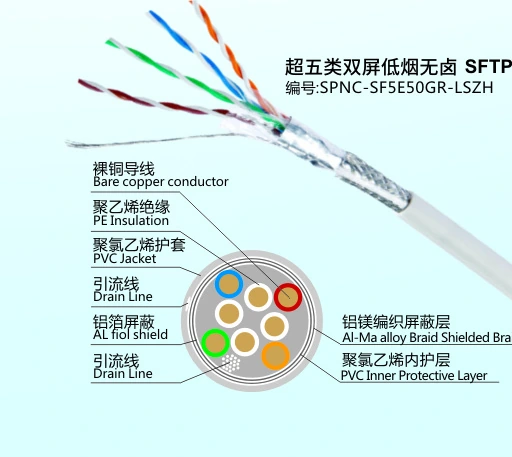
Both are shielded constructions; the shield has to be bonded at the rack end to be worth anything. In cabinets with plastic cable managers, an unshielded CAT6A cord is often the more honest specification.
Length discipline
Cord length drives both airflow and serviceability. Standardise on two or three lengths per row, order them with the labels printed, and keep a spare bag per length. Because our cords are made to order, the length list is part of the quotation — send it with the switch and patch-panel schedule.
What to send with an enquiry
Send the category per row, the cord lengths and quantities, the jacket material required by the room's fire strategy, and the colour scheme if the customer's documentation depends on it. We quote the cord list and the matching horizontal cable together so the channel specification comes from one production line.