Industrial control and building automation
In a plant room the cable runs beside drives, contactors and inverters — the shielding decision is made by the environment, not by the data rate.
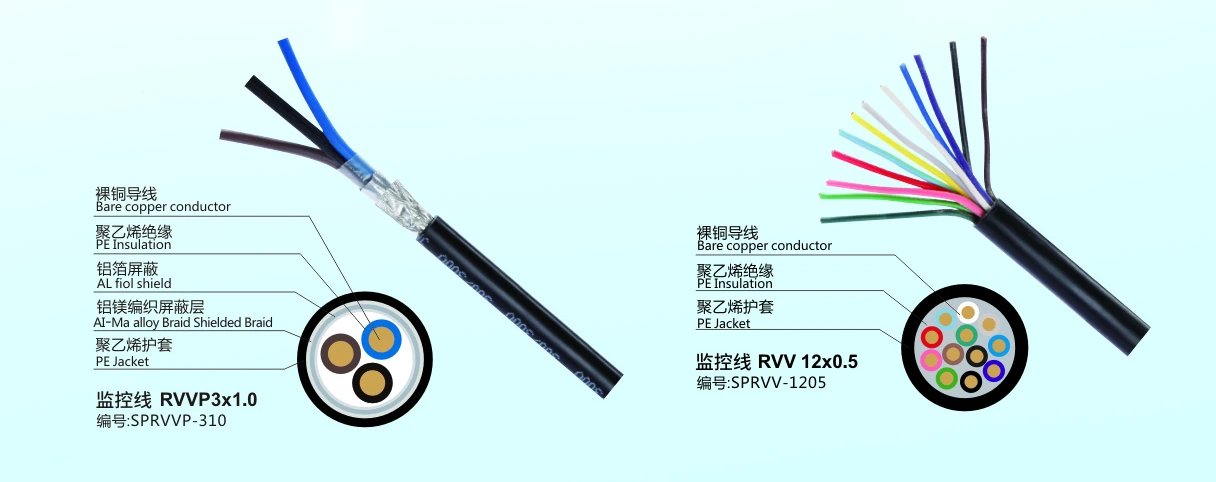
Shielded control cores
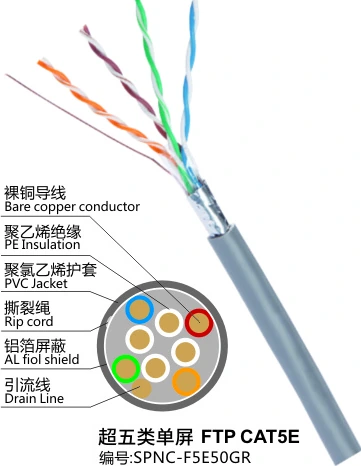
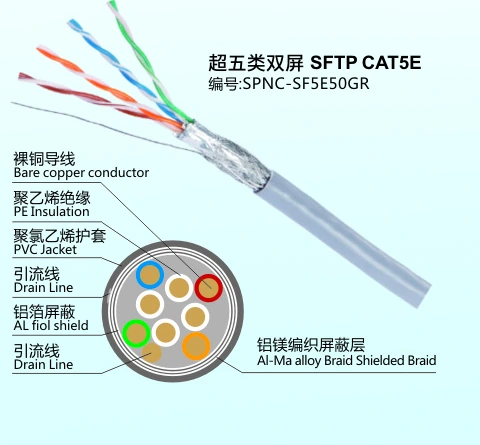
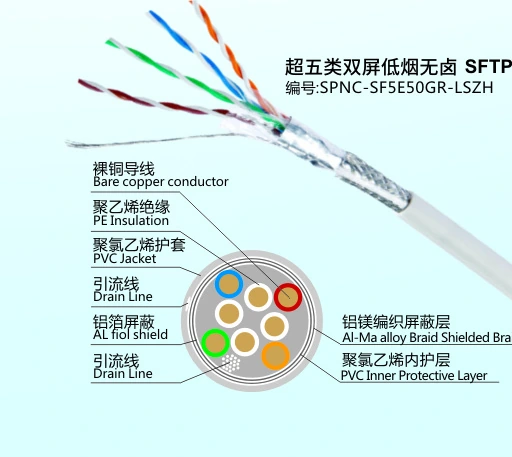
RVVP cable pairs bare copper conductors and PE insulation with aluminium foil and an Al-Mg alloy braid, which is the construction to specify for control signals that share a duct with motor cables. The braid has to be bonded at the panel end, and the drain should be terminated on the earth bar rather than cut short.
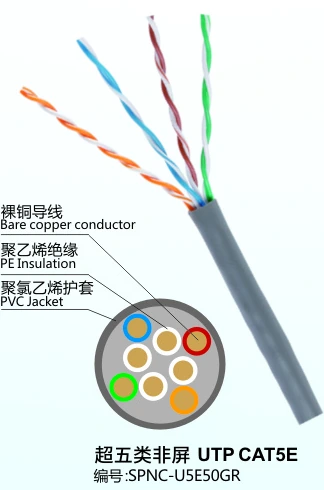
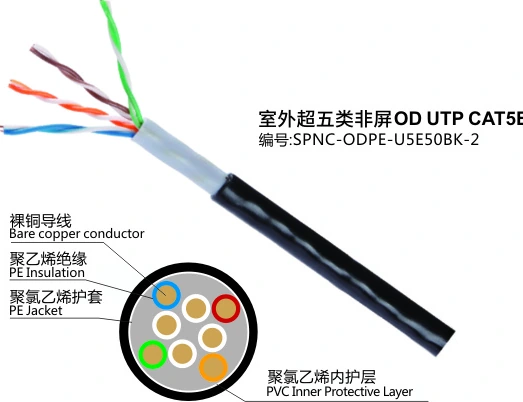
Where the signals are slow and the environment is clean — a door-entry or access-control run, for example — the unshielded RVV version is adequate and easier to terminate.
Crossing power cables
Cross mains cables at 90 degrees where the route allows, keep parallel runs short, and prefer the shielded control cable when the gap cannot be maintained. These are installation rules rather than cable properties, but they decide whether a shielded cable performs as specified.
Network cable in industrial areas
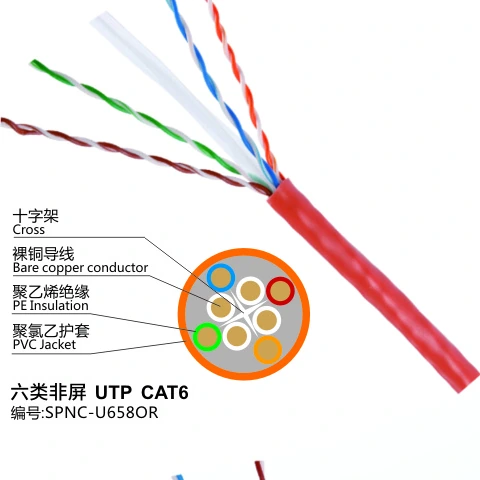
For the IP side of building automation — controllers, gateways and cameras — shielded CAT6 or CAT6A is the usual choice, terminated on shielded outlets and patch panels. The same rule applies as in the office: an unbonded shield is worse than no shield, because it acts as an antenna.
What to send with an enquiry
Send the signal list (analogue, digital, power), the run length per cable and the containment type. We will map each signal to RVV, RVVP or shielded network cable and quote the full list, including the shielded patch cords for the IP side.